 FPL FARMS LLP
Cart
FPL FARMS LLP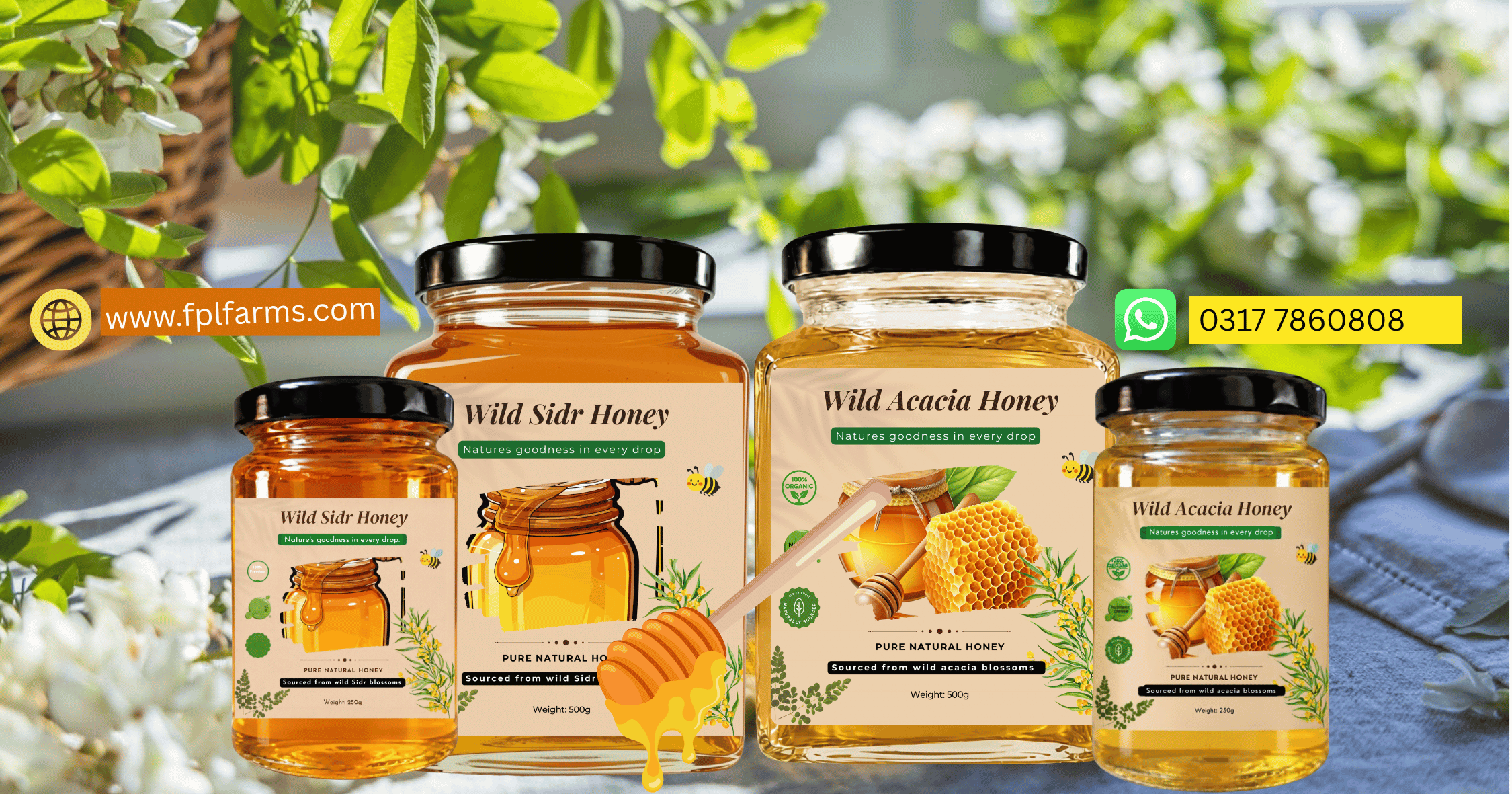
Real Honey vs. Treated Honey: Understanding the Difference
Reading Time: 6–7 minutes
By FPL Farms LLP | Natural Honey in Pakistan
Introduction
Honey has been valued for generations for its natural sweetness, distinctive taste, and versatility in everyday life. From sweetening your morning tea to spreading it on toast or adding it to your favourite recipes, honey is a popular choice in households across Pakistan.
However, not all honey is processed in the same way. Understanding the difference between real honey and treated honey can help you make an informed decision when choosing a product for your family.
At FPL Farms, we believe that informed customers make better choices. In this guide, we explore how raw, minimally processed, filtered, and heat-treated honey differ, what to look for when buying honey, and how to choose a product that suits your preferences.
1. What Is Real Honey?
Real honey is produced by honeybees from the nectar of flowers or, in some cases, other natural sugary secretions. Bees transform and store this material in their honeycombs, where it matures into honey.
The colour, aroma, texture, and flavour of genuine honey can vary according to the floral source, season, and region in which it is harvested.
For example, Wild Sidr Honey and Wild Acacia Honey can have different colours, aromas, and flavour profiles because they come from different floral sources.
When shopping for pure honey, look for a trustworthy supplier, clear product information, responsible handling, and appropriate quality testing. These factors are more reliable than judging honey by its colour or thickness alone.
2. What Is Treated Honey?
Treated honey is honey that has undergone additional processing after harvesting. Depending on the product and manufacturer, this may include heating, fine filtration, blending, or other handling procedures.
It is important to understand that treated honey is not automatically fake or adulterated honey. Some processing methods are used to improve consistency, remove particles, make filling easier, or delay visible crystallisation.
Common processing methods include:
Heat treatment: Honey is warmed to reduce viscosity, making it easier to handle, filter, and package. More intensive or prolonged heating can affect certain aroma compounds and heat-sensitive enzymes.
Fine filtration: Very fine filters remove small particles and may remove some pollen. This can produce a clearer appearance and a more uniform texture.
Blending: Honey from different floral sources or harvests may be combined to achieve a consistent flavour, colour, or texture.
Pasteurisation: Controlled heating is used in some products to reduce yeast activity and help delay fermentation or crystallisation.
These processes do not necessarily make honey unsafe or artificial. The quality of the starting honey, the processing conditions, and the possibility of adulteration all matter.
3. Real Honey vs. Treated Honey: Key Differences
Feature (Processing)
Raw or Minimally Processed Honey (Usually strained to remove larger particles, with limited heating)
More Intensively Treated Honey (May involve stronger heating, fine filtration, or pasteurisation)
Feature (Appearance)
Raw or Minimally Processed Honey (May be clear, cloudy, or contain fine natural particles)
More Intensively Treated Honey (Often clearer and more uniform)
Feature (Aroma and flavour)
Raw or Minimally Processed Honey (May retain more of its original floral aroma)
More Intensively Treated Honey (Some aromas may change or become less pronounced)
Feature (Crystallisation)
Raw or Minimally Processed Honey (May crystallise naturally, depending on its composition)
More Intensively Treated Honey (Processing may delay visible crystallisation)
Feature (Pollen content)
Raw or Minimally Processed Honey (May retain more pollen, depending on handling)
More Intensively Treated Honey (Fine filtration may remove more pollen)
Feature (Texture)
Raw or Minimally Processed Honey (Can vary between batches and floral sources)
More Intensively Treated Honey (Often more consistent)
Feature (Authenticity)
Raw or Minimally Processed Honey (Must still be verified through reliable sourcing and testing)
More Intensively Treated Honey (Can also be genuine honey if it has not been adulterated)
Remember: Raw honey and pure honey are not exactly the same thing. “Pure” generally refers to authenticity and the absence of added ingredients or adulterants, while “raw” refers to how the honey has been handled and processed. A product can be pure without being raw.
4. Is Raw Honey Better Than Treated Honey?
The answer depends on what you value in a honey product.
If you prefer a honey that retains more of its original aroma and undergoes minimal processing, raw or minimally processed honey may be a suitable choice. However, raw honey is not automatically purer, safer, or more nutritious than every processed honey.
Heat can reduce certain heat-sensitive components, but the effect depends on temperature and duration. Filtration can improve clarity but may also remove pollen. Neither appearance nor processing level alone proves authenticity.
To choose quality honey, consider:
The supplier's reputation and sourcing practices.
Clear labelling and product information.
Appropriate laboratory testing for authenticity and quality.
Hygienic harvesting, handling, and packaging.
Storage instructions and batch details.
These considerations are more useful than relying on popular home tests, such as the water test, thumb test, or matchstick test. Such tests cannot reliably distinguish genuine honey from adulterated honey.
5. How to Identify Pure Honey
If you want to buy 100% pure honey, keep the following points in mind.
Check the label: Review the ingredients, floral source, producer details, batch information, and any relevant quality certifications.
Understand the source: Honey sourced from known floral regions or harvesters can offer better traceability. Wild honey should be described accurately, without unsupported claims about its origin.
Look for quality testing: Reliable laboratory testing can help assess authenticity, moisture content, and other relevant quality parameters. No single test necessarily detects every form of adulteration.
Do not judge by colour: Honey can range from very pale gold to deep amber, depending on its floral source. Both light and dark honey can be genuine.
Do not assume crystallisation means poor quality: Genuine honey can crystallise naturally. The rate depends on its sugar composition, temperature, and storage conditions.
Buy from a trusted seller: When shopping for pure raw honey online, choose a seller that provides transparent product details and clear contact information.
6. Natural Honey in Pakistan: Why Floral Source Matters
Pakistan offers a variety of honey products associated with different floral sources and geographical regions. The floral source influences the honey's colour, aroma, taste, and tendency to crystallise.
At FPL Farms, our honey range includes Wild Sidr Honey and Wild Acacia Honey. Each variety offers a distinctive taste experience.
Wild Sidr Honey: Appreciated for its characteristic rich flavour and naturally aromatic profile.
Wild Acacia Honey: Known for its distinctive floral character, with colour and sweetness varying according to the source and harvest.
When comparing natural honey in Pakistan, look beyond marketing claims. Consider the declared floral source, traceability, handling practices, and available quality evidence.
The term “natural” alone does not guarantee that a product is unadulterated, unheated, or certified organic.
7. Organic Honey Price in Pakistan: What Affects the Cost?
Customers often search for the organic honey price in Pakistan when comparing honey products. Prices can vary according to several factors:
Floral source and geographical origin.
Harvesting season and honey availability.
Collection, transport, and packaging costs.
Laboratory testing and quality assurance.
Bottle size and packaging materials.
Certification and traceability requirements.
It is worth noting that genuine honey is not automatically certified organic. Organic status depends on applicable standards, production practices, and the relevant certification requirements. Always check whether an organic claim is supported by appropriate documentation.
Instead of choosing solely by price, compare the product's declared source, quality evidence, packaging, and quantity to understand its overall value.
8. How to Choose Premium Quality Honey for Daily Use
Choosing premium quality honey means considering authenticity, taste, handling, and suitability for your needs—not simply selecting the most expensive jar.
If you want the best honey for daily use, consider the following:
Choose a flavour that complements your food and beverages.
Read the label and confirm the ingredients.
Look for hygienic packaging and clear storage instructions.
Purchase from a supplier that values transparency and quality.
Store honey in a clean, tightly closed container in a cool, dry place.
Honey can be used to sweeten tea, accompany breakfast, complement yoghurt, or add flavour to homemade recipes. Like other forms of sugar, honey should be consumed in moderation.
Safety note: Honey must not be given to children under 12 months of age because of the risk of infant botulism.
9. Buy Natural Honey Online from FPL Farms
At FPL Farms LLP, we aim to make choosing honey simpler by presenting our products with clear information about their floral character and intended use.
Whether you are exploring Wild Sidr Honey or Wild Acacia Honey, choose the variety that suits your taste and everyday preferences.
If you are looking to buy natural honey online, visit our website to explore our available honey products and packaging options.
Choose farm fresh pure honey from a supplier that prioritises responsible sourcing, hygienic handling, and transparent product information. When searching for fresh honey, remember that freshness and authenticity are best assessed through proper sourcing, storage, and quality checks—not appearance alone.
Visit www.fplfarms.com to explore the FPL Farms honey range.
Conclusion
The difference between real honey and treated honey is mainly about authenticity, processing, and handling. Raw or minimally processed honey may retain more of its original aroma and pollen, while treated honey may offer greater clarity and consistency.
Neither category is automatically superior in every respect, and processing does not necessarily mean adulteration.
When choosing honey, prioritise transparent sourcing, reliable quality testing, hygienic packaging, and honest labelling. With the right information, you can select honey that fits your preferences and enjoy its natural sweetness as part of a balanced diet.
FPL Farms LLP — Bringing the distinctive character of honey to your everyday table.
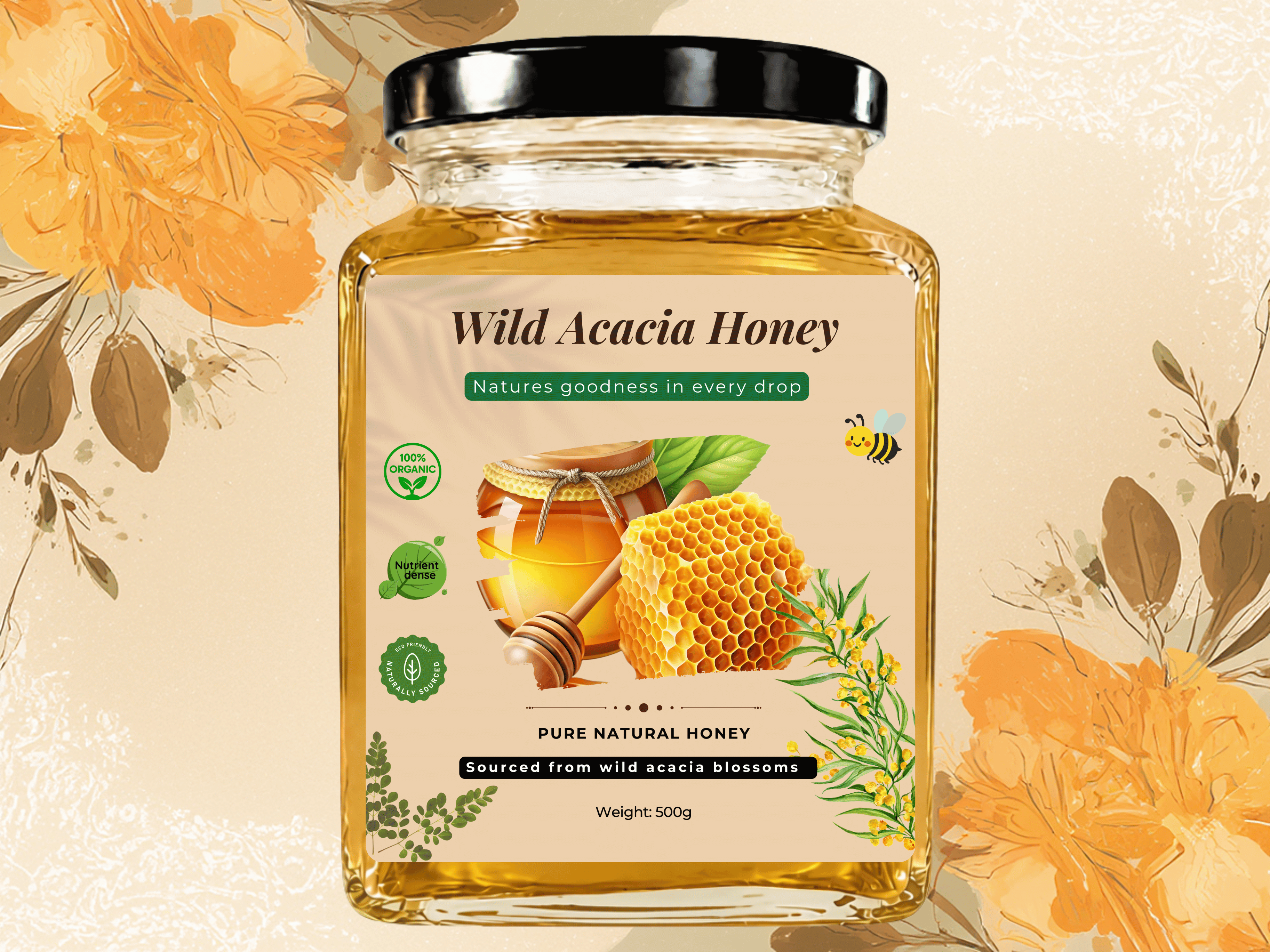
FPL FARMS Wild Acacia Honey made from Acacia blossom nectar
6 min read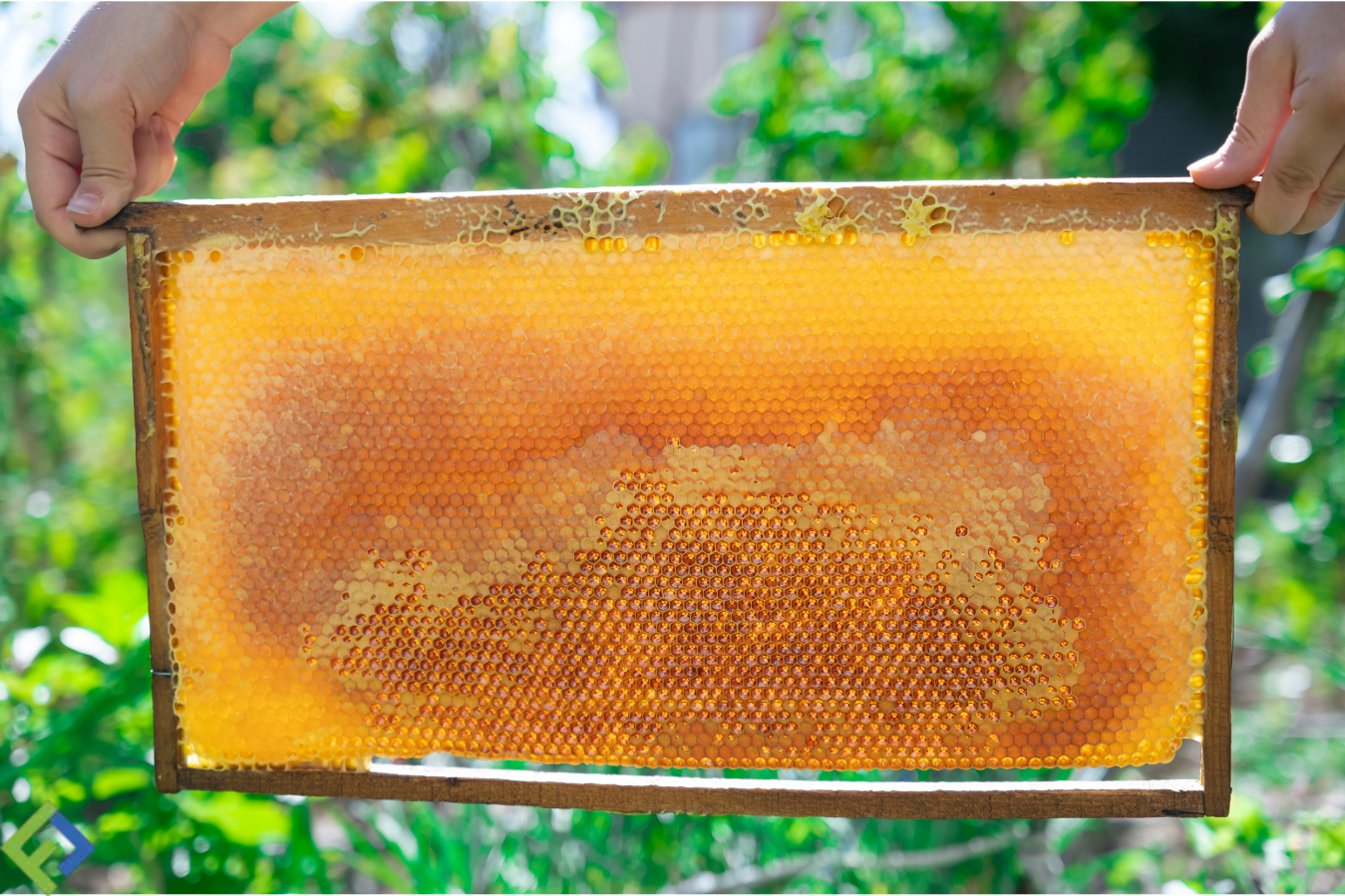
A behind-the-scenes look at how we harvest pure, natural wild acacia honey — from a wild bloom in Pakistan to a sealed jar on your table.
5 min read
Pure, natural raw honey never really goes bad — but stored wrong, it crystallizes fast or picks up moisture. Here's how to keep a jar of wild honey at its best.
4 min read
