FPL Farms LLP
Cart
FPL Farms LLPRaw honey is one of the few foods that does not spoil on its own. Its low moisture content and natural acidity make it a poor environment for bacteria, which is why archaeologists have found edible honey in tombs thousands of years old. That said, how you store it still affects texture, flavour, and how quickly it crystallizes.
Keep the jar sealed and at room temperature, away from direct sunlight and heat sources like a stove or window sill. Warmth speeds up fermentation risk if any moisture has gotten in, while cold temperatures (like a fridge) actually speed up crystallization rather than prevent it.
Always use a clean, dry spoon. Introducing water or food residue into the jar is the most common way natural honey develops mould or starts fermenting, since it disrupts the low-moisture environment that keeps it stable.
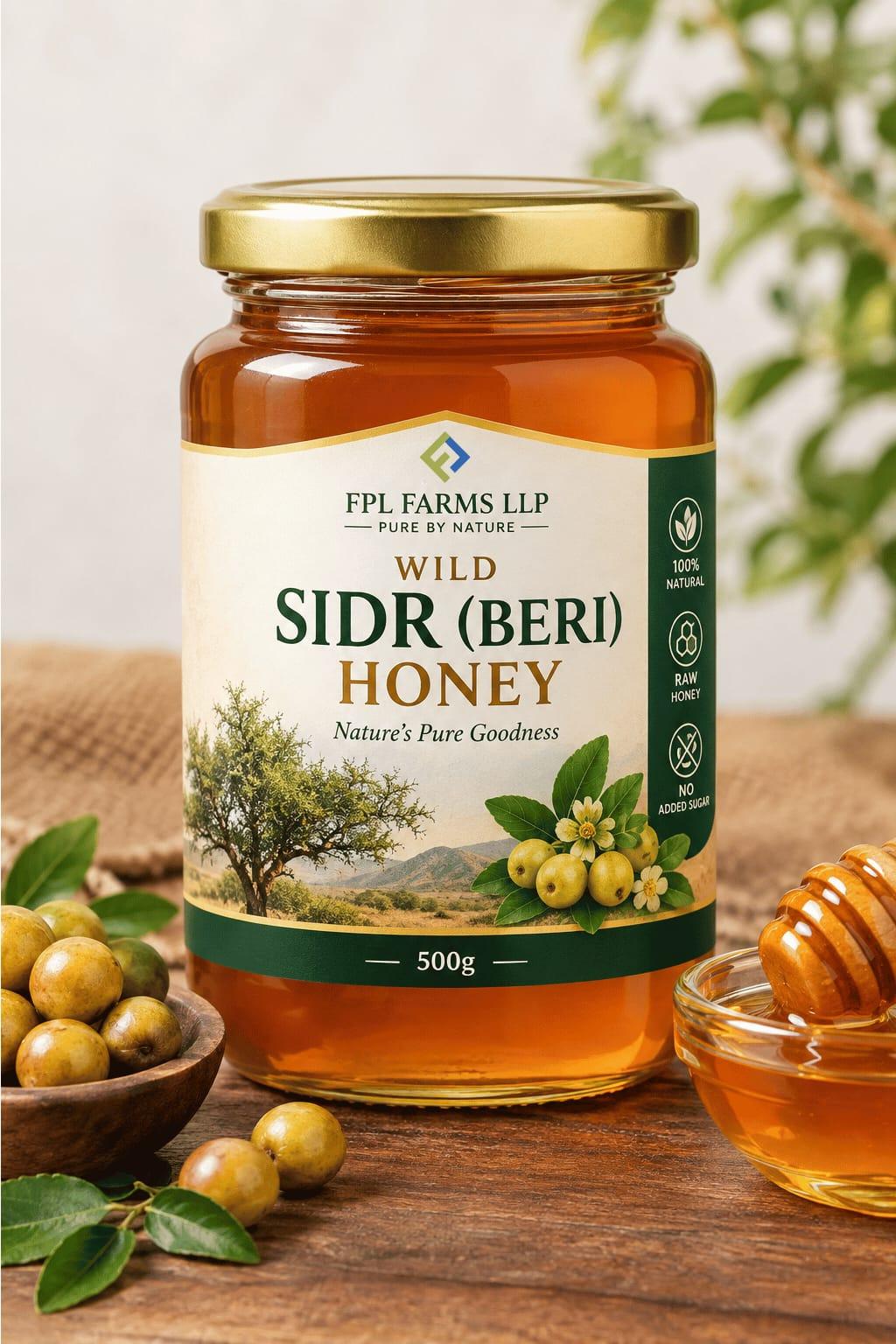
Crystallization is not spoilage. Wild Sidr Blossom and Wild Acacia honey will naturally turn cloudy or grainy over time depending on their floral source and storage temperature. To bring it back to liquid, place the sealed jar in warm (not boiling) water for a few minutes rather than microwaving it, which can damage the natural enzymes that make raw honey worth buying in the first place.
If you are buying pure, natural honey with no artificial additives, it should not need refrigeration and should not have an expiry date the way processed, heat-treated honey does. That is one of the simplest ways to tell genuine raw honey apart from a diluted or heavily processed jar.
Cooking oil is convenient, but traditional desi ghee brings a smoke point, flavour, and cooking history that refined oils cannot match. Here is the honest comparison.
4 min readMost honey sold in local markets is cut with sugar syrup. Here are the checks worth doing before you trust a jar.
5 min readWild Sidr Blossom honey commands a higher price than most other varieties. The reasons come down to the tree it's harvested from.
6 min read