FPL Farms LLP
Cart
FPL Farms LLPA large share of the honey sold in open markets is adulterated with sugar syrup, and there is no single home test that catches every version of it. The water test, the flame test, the fridge test: all of them can be fooled by a sufficiently diluted syrup. What actually helps is knowing where your honey came from and how it was handled after the hive.
Raw honey rarely pours as a perfectly smooth, clear stream. Wild acacia stays liquid longer than most varieties, but even it will show some texture variation between batches, because it comes from real forage, not a factory blend. If two jars from the same brand look identical down to the last detail, that consistency is usually manufactured.
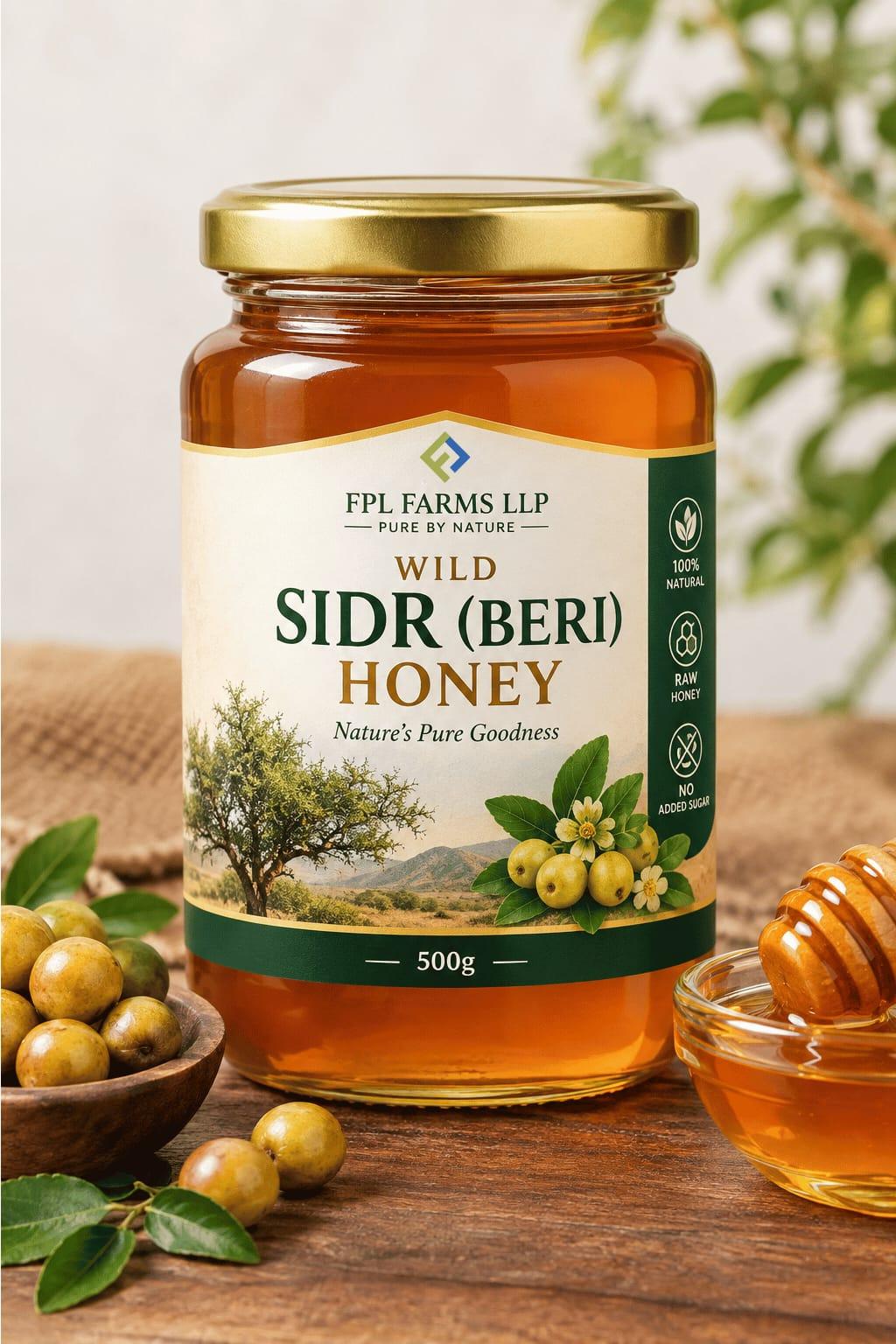
Crystallization is often treated as a red flag by first-time buyers, when it is actually a reassuring sign. Sidr honey especially tends to crystallize slightly along the edges of the jar in cooler months. Honey that never crystallizes under any conditions has likely been processed at high heat, which strips out the natural enzymes that make raw honey worth buying in the first place.
The most reliable check is still the boring one: buy from a source that can tell you which region and season the honey came from, and be wary of anything priced far below the going rate for that variety. Sidr honey in particular is labour-intensive to harvest, and a price that looks too good rarely reflects real sourcing costs.
Cooking oil is convenient, but traditional desi ghee brings a smoke point, flavour, and cooking history that refined oils cannot match. Here is the honest comparison.
4 min readPure, natural raw honey never really goes bad — but stored wrong, it crystallizes fast or picks up moisture. Here's how to keep a jar of wild honey at its best.
4 min readWild Sidr Blossom honey commands a higher price than most other varieties. The reasons come down to the tree it's harvested from.
6 min read